


GET A QUOTE

ลองนึกภาพสถานการณ์การปรับปรุงใหม่โดยที่งานทาสีเก่า วอลล์เปเปอร์ถูกลอกออก และพื้นผิวด้านล่างแสดงพื้นผิวเปลือกส้มหยาบที่รับแสงจากทุกมุม ช่างฉาบปูนจะปรับระดับอย่างรวดเร็ว แต่กระบวนการนี้จะนำน้ำ ฝุ่น และทำให้บ้านของคุณแห้งเป็นเวลาหนึ่งสัปดาห์ ข่าวดีก็คือการฉาบปูนไม่ใช่เพียงเส้นทางเดียว คุณสามารถสร...
ดูเพิ่มเติมการปฏิวัติอันเงียบสงบของสถาปัตยกรรมที่มองไม่เห็น พื้นที่ภายในที่ทันสมัยต้องการความยืดหยุ่น ความประหลาดใจ และความสงบในการมองเห็นมากขึ้นเรื่อยๆ ก ประตูที่ซ่อนอยู่ ที่หายไปในกำแพงไม่ใช่ความหรูหราของนวนิยายสายลับหรือห้องสมุดอายุหลายศตวรรษอีกต่อไป เป็นโซลูชัน...
ดูเพิ่มเติมA data-driven comparison for modern wet spaces For decades, ceramic and porcelain tiles have been the default surface for bathrooms and wet rooms. However, a new category of wall cladding— waterproof wall panels —has emerged as a high-performance alternative. Engine...
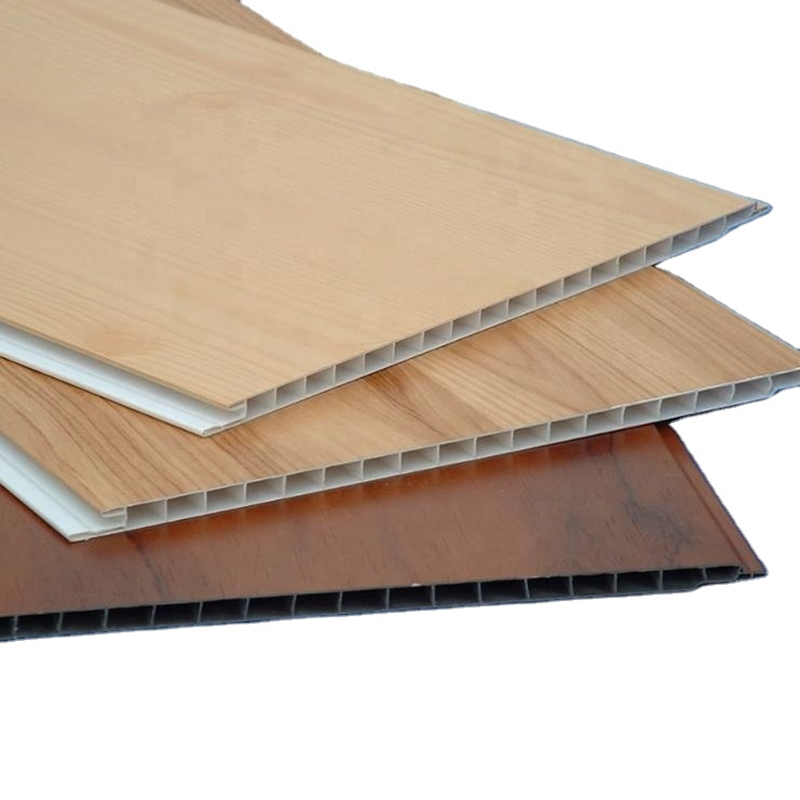
ดูเพิ่มเติมArchitectural PVC wall panels have gained popularity in modern construction due to their durability, versatility, and cost-effectiveness. These panels are widely used in both residential and commercial spaces, offering benefits such as water resistance, easy installation, and low maintenance .
The production of architectural PVC wall panels begins with carefully selected raw materials. The primary component is polyvinyl chloride (PVC) resin , a synthetic plastic polymer known for its strength and chemical stability. Other essential additives include:
The precise formulation depends on the intended application—whether for interior PVC wall panels, waterproof PVC wall panels, or fire-retardant PVC wall panels .
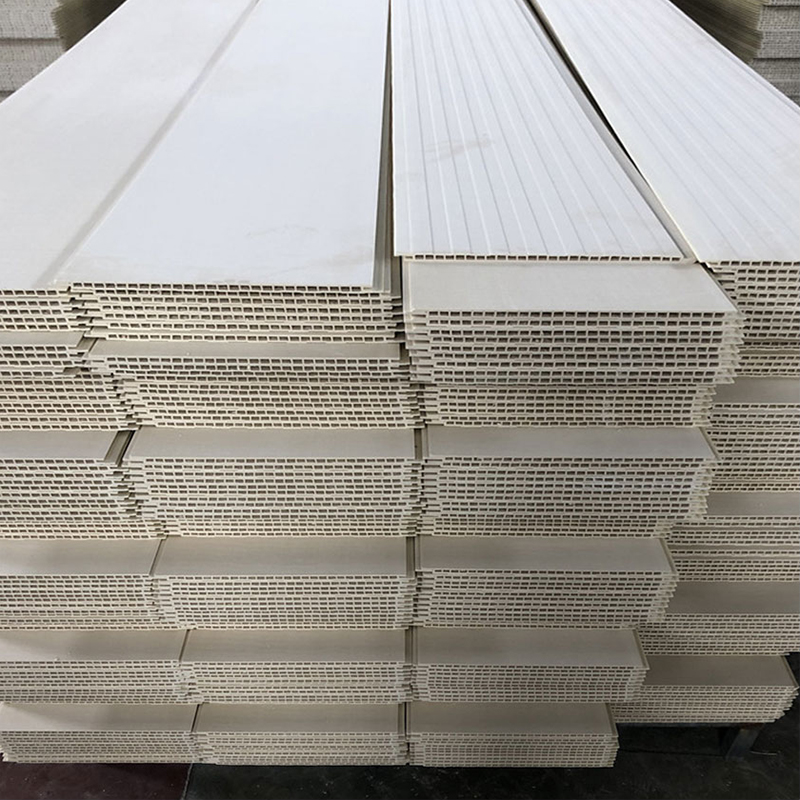
The extrusion process is the most common method for producing PVC wall panel extrusion profiles . It involves:
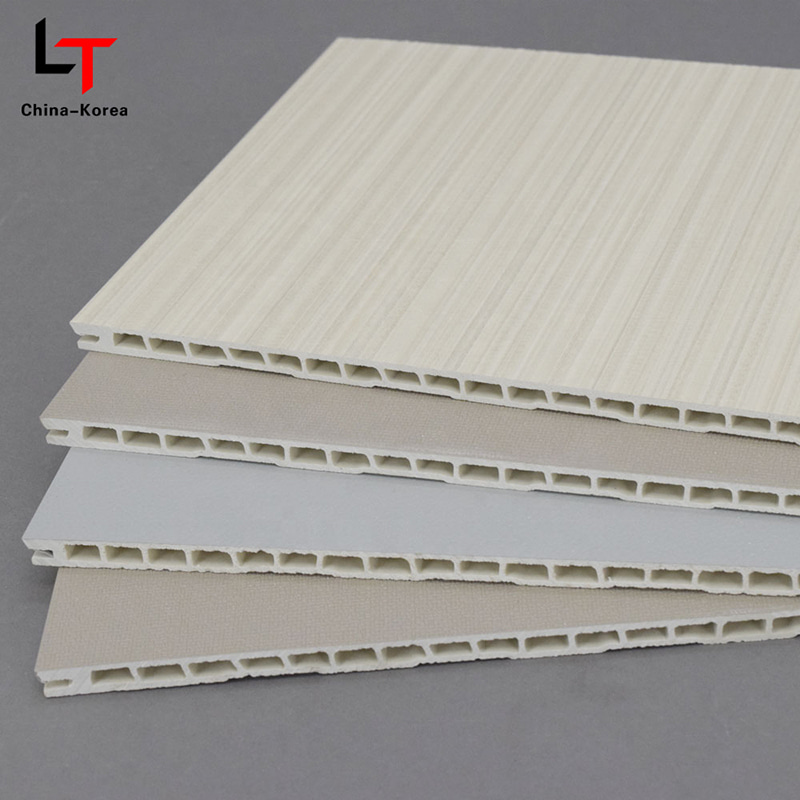
This method is ideal for producing lightweight PVC wall panels, rigid PVC decorative panels, and PVC laminated wall boards .
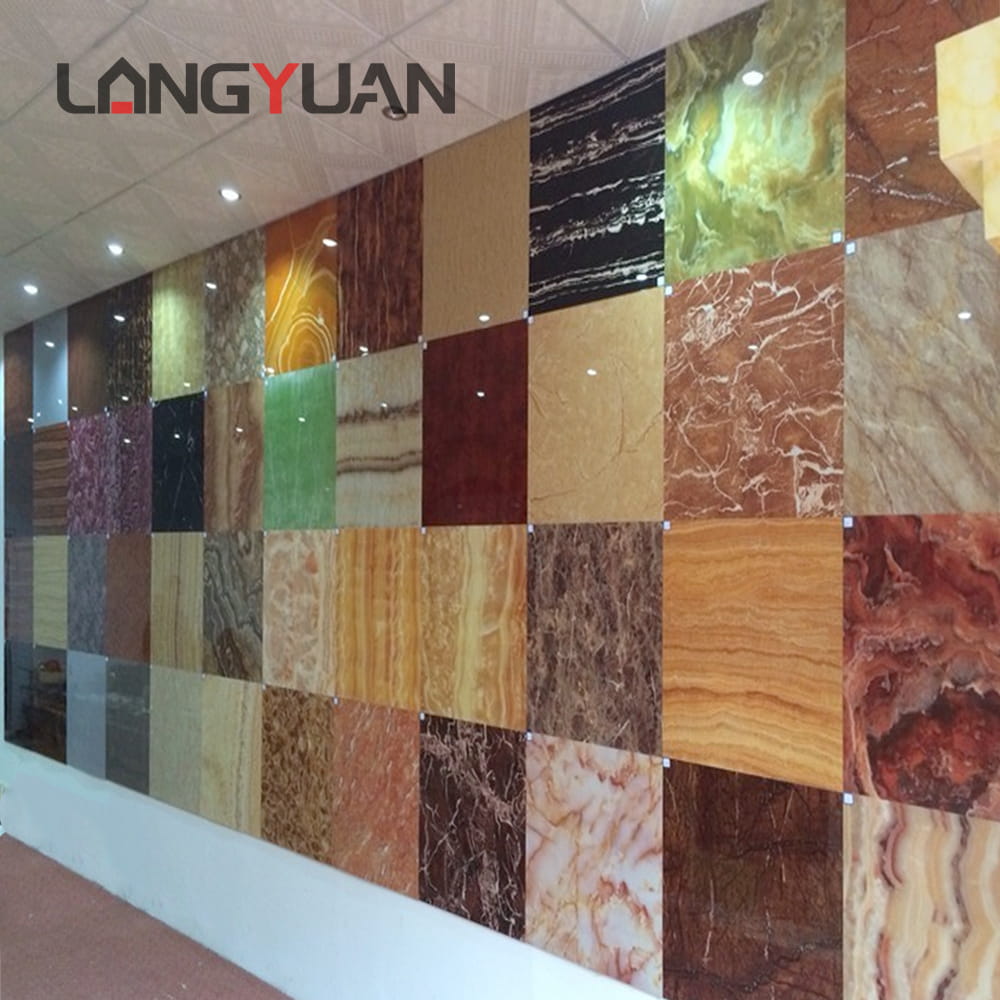
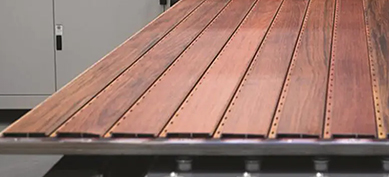
For decorative PVC wall panels with wood, marble, or high-gloss finishes, the lamination process is used:
This technique is commonly used for wood look PVC wall panels, marble finish PVC wall panels, and high gloss PVC wall panels .
Co-extrusion combines multiple layers of PVC in a single production step, enhancing structural integrity and aesthetics. It is used for:
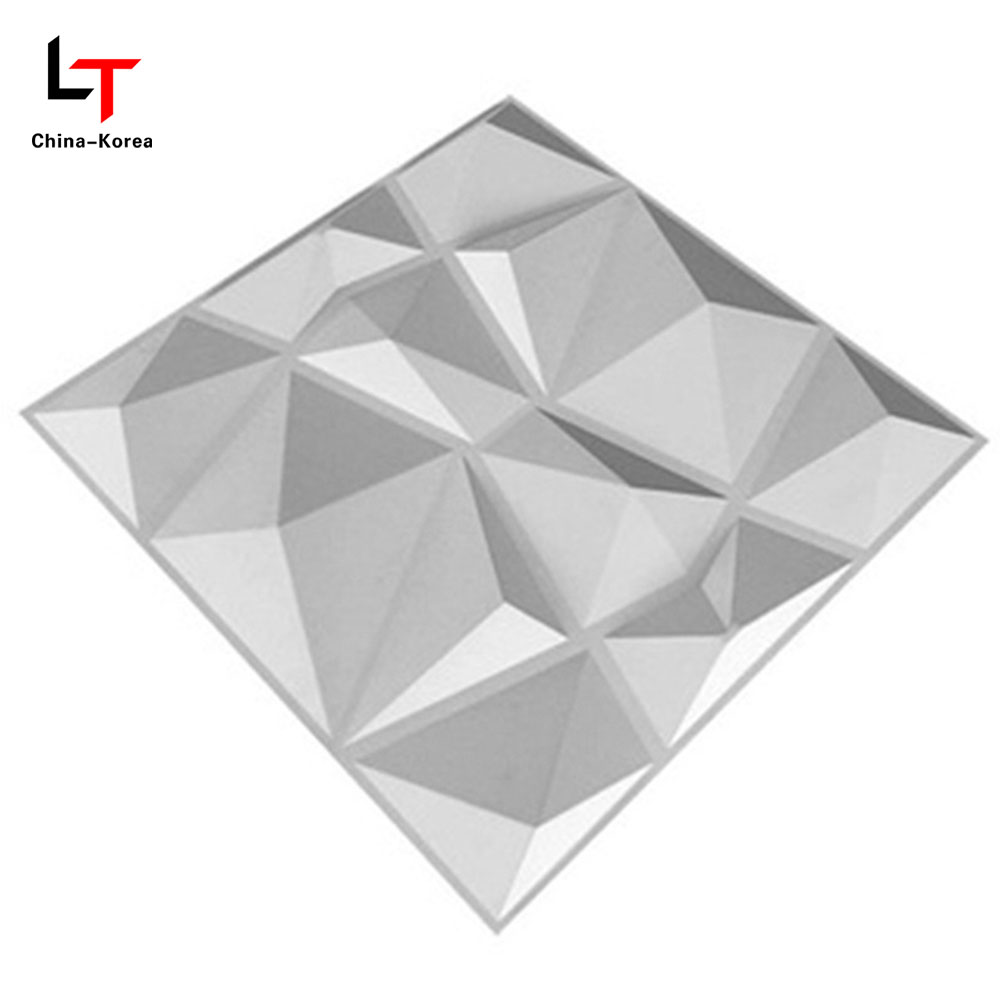
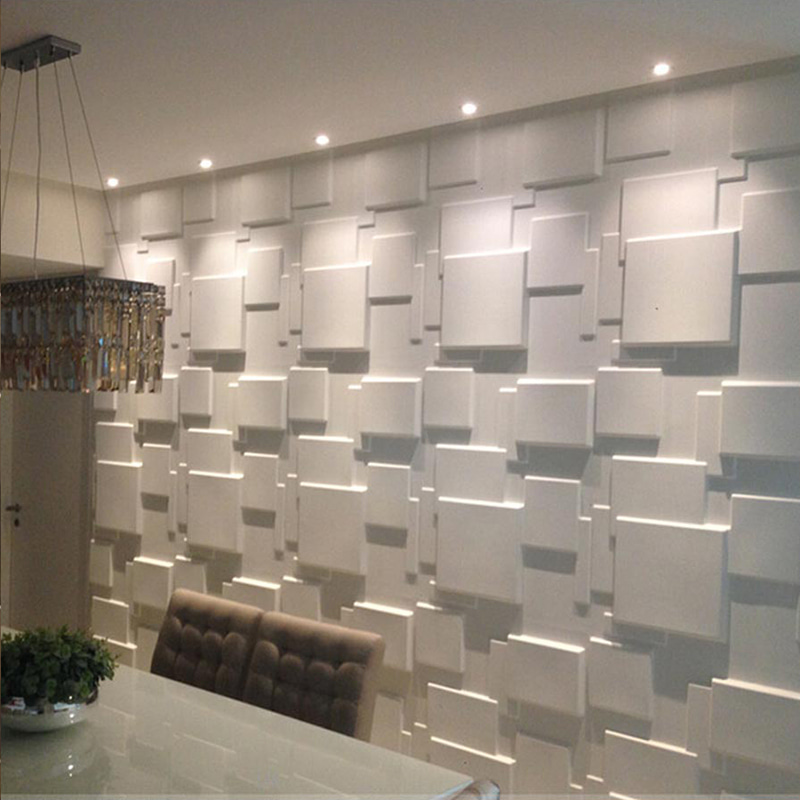
For 3D PVC wall panels , injection molding is employed:
This method is ideal for custom PVC architectural panels with unique designs.
To ensure durability and safety, manufacturers implement strict quality checks:
| Test | Purpose |
|---|---|
| Dimensional stability | Ensures panels do not warp under heat/moisture |
| Impact resistance | Measures durability against physical damage |
| Fire resistance | Confirms compliance with safety standards (e.g., ASTM E84) |
| UV resistance | Checks colorfastness for outdoor use |
| Water absorption | Validates waterproof properties |
These tests guarantee that architectural PVC wall cladding systems meet industry standards.
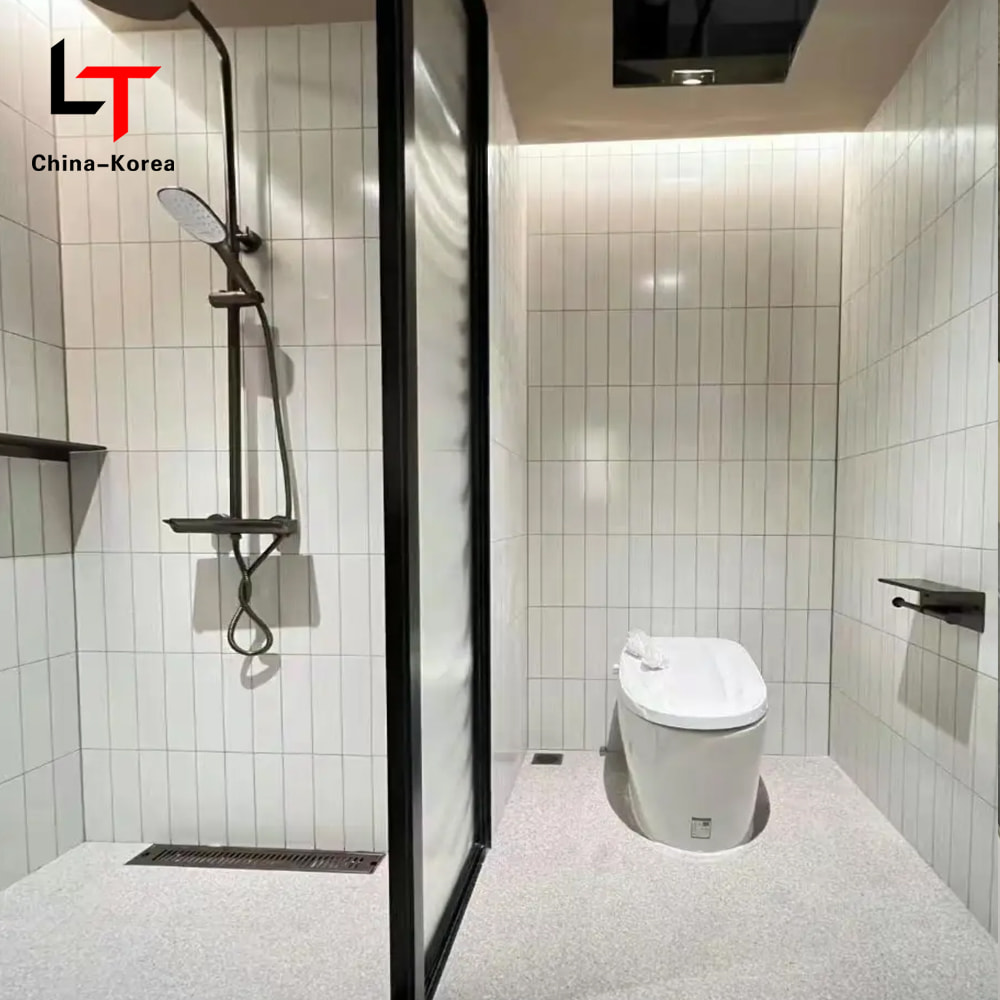
Due to their versatility, these panels are used in:
Modern eco-friendly PVC wall panels incorporate:
Some manufacturers also offer PVC wall panel recycling programs to minimize waste.
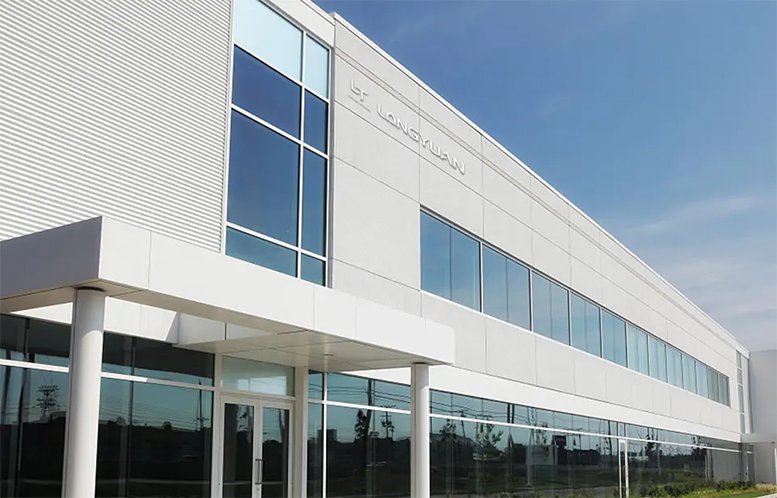
The manufacturing of architectural PVC wall panels involves advanced processes like extrusion, lamination, co-extrusion, and injection molding , ensuring high-quality, durable, and visually appealing products. With rigorous quality control and sustainable practices, these panels remain a top choice for interior and exterior wall cladding solutions .
By understanding these production methods, buyers can select the right PVC wall panels for their specific needs, whether for residential, commercial, or industrial applications .


เพิ่ม: NO.10-1 ถนน Lianhong เมือง Yuanhua เมืองไห่หนิง มณฑลเจ้อเจียง ประเทศจีน
อีเมล: [email protected]
โทรศัพท์: +86-17757302351
WhatsApp: +86-17757302351
